Our News
Fears for Lancashire children as ‘highly addictive’ drug found in vapes
Jun
© Reach Publishing Services Limited
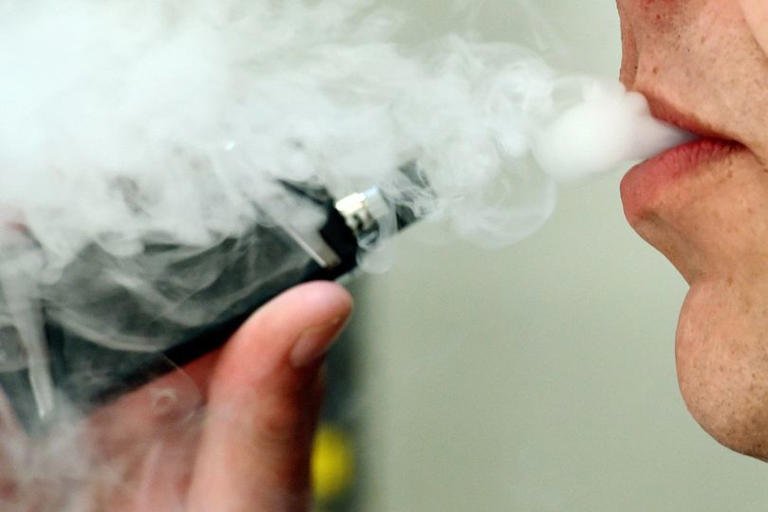
But the figure rose to around 25% in two areas – London and Lancashire. Experts are now warning that children as young as 11 have been among those using vapes containing spice, with some potentially unaware they are taking the highly addictive drug.
- Six drivers stopped by police in one day after making the same mistake
- Motorcyclist seriously injured in crash with car in Trawden during overtaking manoeuvre
Spice was originally designed to mimic the effects of cannabis but is considered more harmful and unpredictable than cannabis, according to NHS Inform. It can cause people to dissociate and has become particularly associated with prisons, with reports describing some users falling into a “zombie” state.
Hope UK, a drugs and alcohol education charity, says lessons about the dangers of drugs need to begin earlier in children’s lives as harmful vapes are increasingly being sold through social media and under the counter in corner shops. The charity warned that children are often “completely unaware of the risks”, while even adults could struggle to distinguish between legal and illegal vape products.
© Reach Publishing Services Limited
Professor Chris Pudney, from the University of Bath’s Department of Life Sciences, told the Mirror that spice-laced drugs are being found in secondary schools, with children in Year 7 or 8 – as young as 11 – among those using them. He said there is a “real mixed economy”, with some older children deliberately using spice-laced vapes while younger pupils can sometimes be taking the drug without knowing it.
“For younger kids, I think that is the real worry – that someone offers them a vape and says: ‘Try this, you’ll like it.’ And it’s very strong drugs,” he said. “They probably will quite like it, but very quickly you can become addicted and not really know what you’ve got in hand.”
He added: “Some kids are give it so that they become addicted and so that they can be manipulated. It’s remarkably addictive. It gets compared to crack in terms of its addictive potential.”
Professor Pudney said drug education needs to be delivered with proper expertise, warning that poorly handled lessons could end up promoting drugs.
But he continued: “The availability on social media of spice vape liquid is really high. It’s incredibly available. The major social media platforms are used as shop fronts that advertise and sell this material.
“So if we’re thinking about education, I really think having something hand in glove for young people when they’re learning about social media and social media use and what’s safe and what’s not to talk to something about how you will encounter blatant drug dealing on social media. Just because it’s on social media doesn’t mean it’s not illegal, doesn’t make it legitimate, doesn’t make it safe.”

Sarah Brighton, chief executive of Hope UK, said Government efforts to clamp down on colourful packaging and appealing vape flavours will not address the problem. Drug-laced vapes are usually obtained by buying a bottle of spice vape liquid, which can then be used to fill a rechargeable vape.
She said: “We know that the change in UK law last year banned the single-use disposable vapes that were so appealing to children and young people.
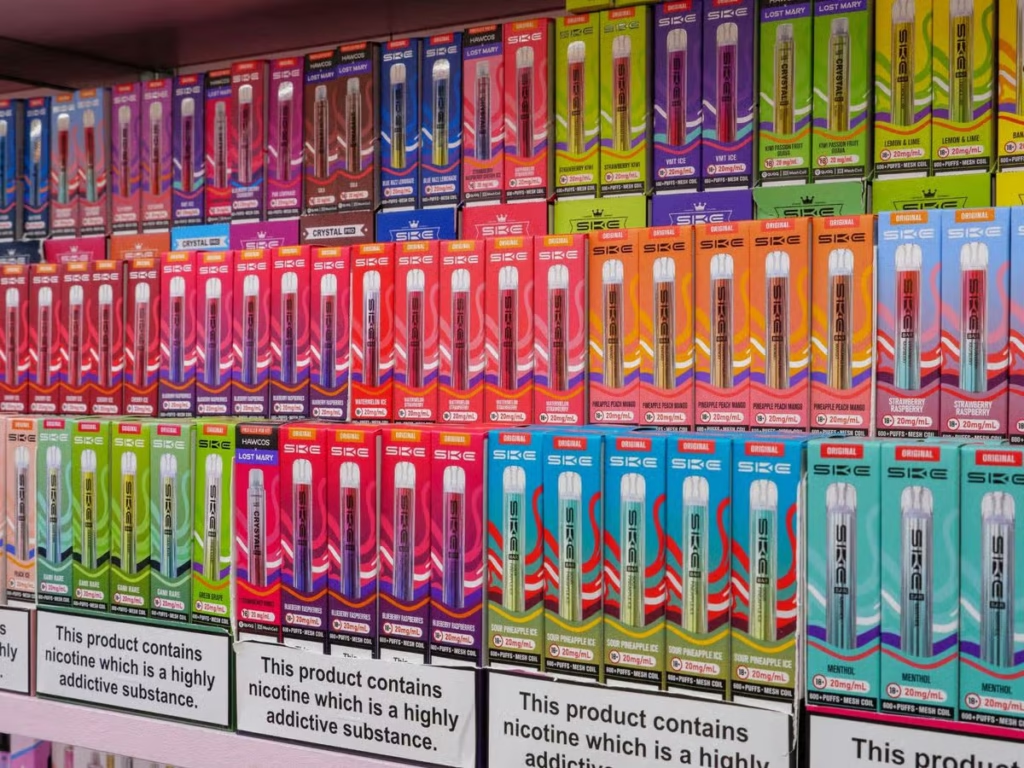
“However, this has just shifted the problem and what we’re seeing now is a vast array of different kinds of rechargeable and reusable vaping ‘systems’ in shops, together with the accompanying vape liquids. In appearance these products bear an uncanny resemblance to the previous single-use disposable vapes.”
She continued: “The main problem we’re finding with spice-laced vapes is that children are completely unaware of the risks. Most adults would be hard pressed to tell the difference between a legal and an illegal vape.”
Hope UK, which is facing closure after more than 170 years of frontline work, is calling for greater Government support for drug prevention charities. It also wants drug education to remain a priority in the curriculum, with life skills included in lessons and greater investment in youth programmes.
Ms Brighton added: “Buying an illegal vape from an unscrupulous seller on your local high street is not the only way to obtain them as they are easily available via the internet. This is why education and awareness raising is so vital from quite a young age.
“Because we’re seeing children in primary school bringing these vapes onto the school playground, we need to make sure we get to them first. Young children have a very clear understanding of what is safe and what is not safe, but it’s up to us to teach them.”
Subscribe to our daily newsletter LANCS LIVE NEWS and get all the biggest stories from across Lancashire direct to your inbox
