Our News
Vape chemical puts unborn babies at risk, scientists warn
Apr
Vanillin is a widely-used flavouring in e-cigarettes but could increase the danger of miscarriage
A chemical commonly found in vapes could harm unborn babies, scientists have warned.
Researchers at the University of California, Riverside (UCR) have urged the NHS to warn pregnant women after finding that vanillin, a common flavouring in e-cigarettes, could impair foetal development.
They examined the impact of the chemical on embryonic stem cells which can develop into any cell and are found in every part of a developing body as it becomes an embryo and then a foetus.
Usually the stem cells develop into three types that are responsible for different parts of the body. But the research revealed that low doses of vanillin stopped some of these processes from happening, while at higher doses it killed the cells altogether.
The researchers carried out tests using concentrations “relevant to maternal e-cigarette exposure”, and said these appeared to “compromise core processes of early human development”.
She said that high concentrations “tended to kill cells”, while smaller doses “caused cells to lose pluripotency, which is the ability to develop into all cell types”.
The researchers studied embryonic stem cells in a laboratory setting, rather than exposing pregnant women to the chemical, but predicted that small concentrations of vanillin would reach the embryos of pregnant women who vape.
Among the embryonic stem cells affected were those responsible for creating both the nervous system and tissues such as muscles.
Prof Talbot said that a chemical binding with the embryonic cells allowed for a “rapid influx of calcium” which eventually damaged their ability to function.
“These changes are potentially very serious and could prevent normal development of embryos,” she added.
“Women do not necessarily know the chemicals in vape products. Our findings suggest they should be cautious and advised by physicians not to vape during pregnancy, especially if they are having trouble conceiving or experience miscarriages.”
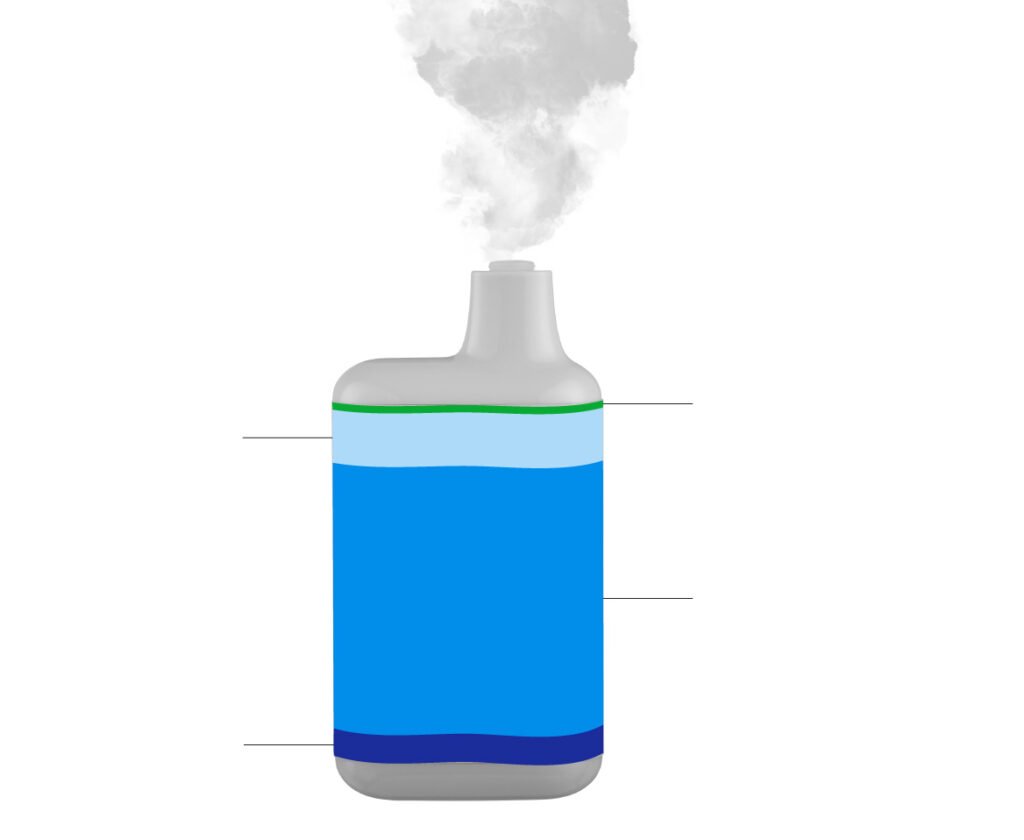
The NHS advises that vaping is “much less risky than smoking”, but the researchers called on regulators to consider mandatory ingredient disclosure on vape packaging.
However Prof Benedikt Berninger, a professor of developmental neurobiology at King’s College London who was not involved in the study, said the evidence was “still very speculative, as it is based on a very simplified in vitro model and also a limited set of data”.
He added: “It is well possible that in a real embryo, since it is more complex, the behaviour of the cells is under a more robust control and hence they would not be so easily misdirected.”
He called for further research to test the data and “make sure that the conclusions and resulting warnings are indeed warranted”.
Professor Winston Morgan, Professor of toxicology, equity and inclusive practice at the University of East London, said: “Vanillin is the primary compound responsible for the characteristic smell and taste of vanilla.
“It occurs naturally in vanilla beans and is also manufactured for use in foods, fragrances, and flavourings.”
